Rust Remover Buy Rust Converter Now

Frequently Asked Questions

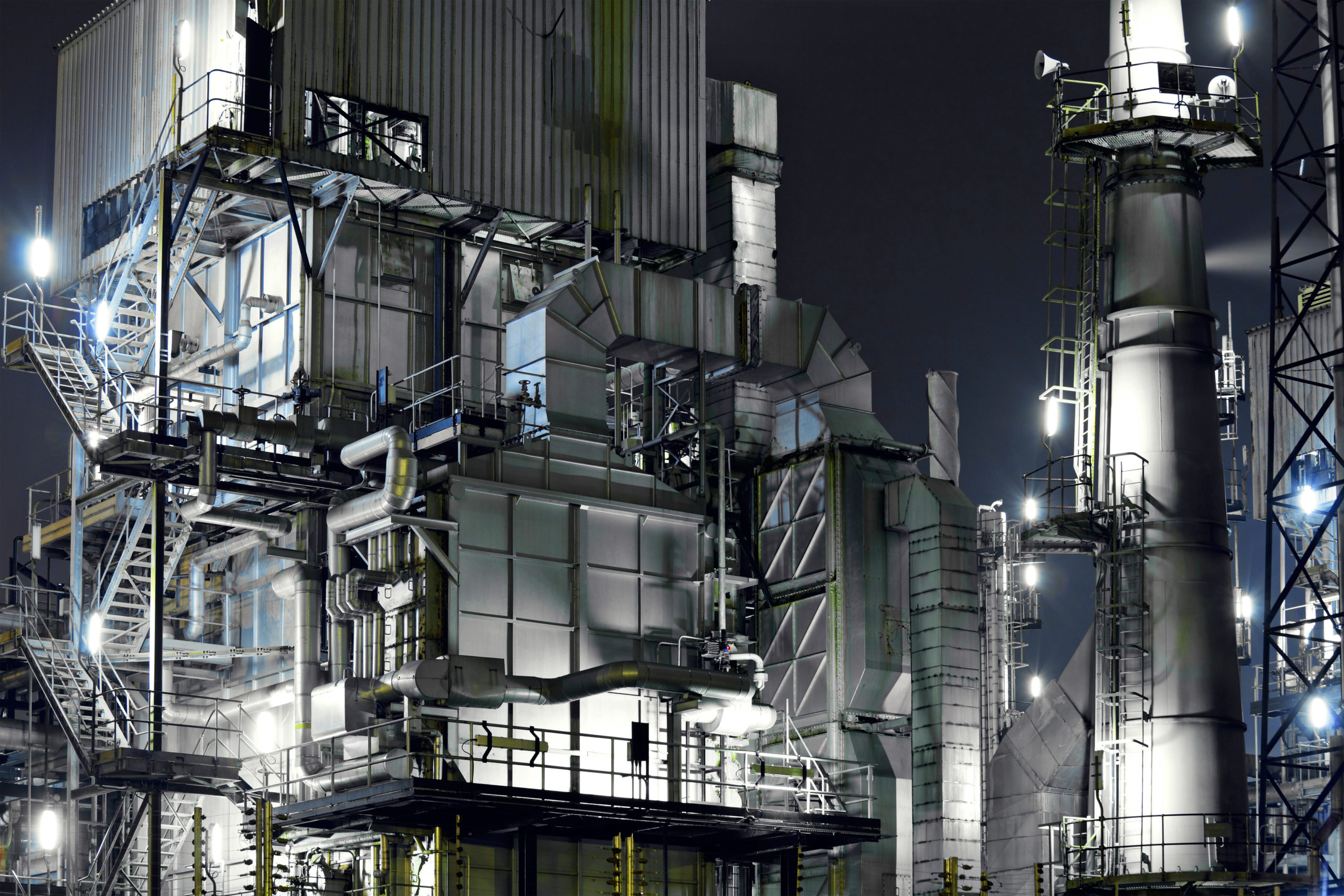
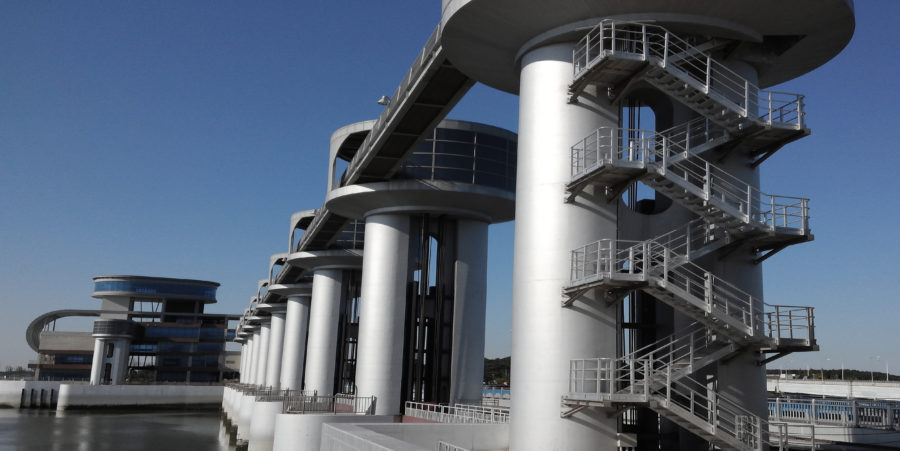
For Industrial Application


Is Rust Bullet® appropriate for Commercial and Industrial projects?
What is Dry Film Thickness (dft)?
How do I determine the recommended dry film thickness (dft) for my project?
Once I have determined the desired dry film thickness (dft) for my project, how do I ensure the finished project has sufficient mil coverage?
Why must I stir Rust Bullet thoroughly before applying?
Can an Electric Paddle or other Mechanical Device be used to stir Rust Bullet?
How does Rust Bullet compare to an Epoxy Primer?
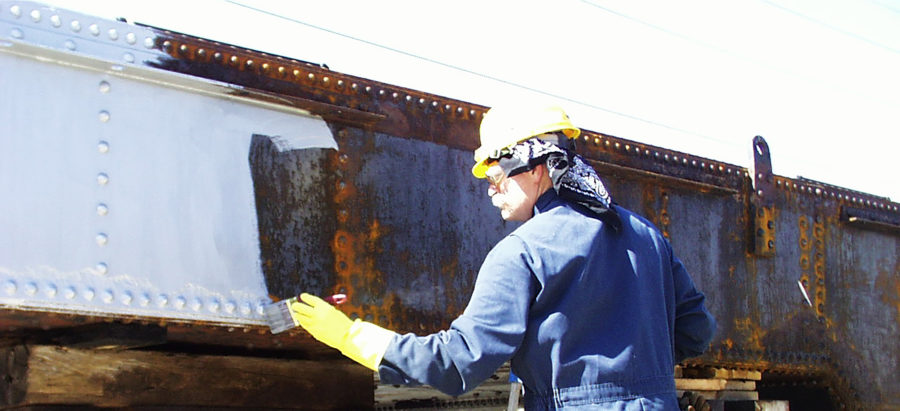
How does Rust Bullet compare to Epoxy as a Bridge Coating?
Will Rust Bullet protect my Galvanized Metal Roof?
What is the recommended application method for applying Rust Bullet to Galvanized Corrugated Roofs?
Will Rust Bullet protect Concrete?
Can Rust Bullet be used for Wrought Iron Fencing, Furniture, and Fixtures?
Is Rust Bullet recommended for use on a Chain-Link Fence?
Will Rust Bullet protect metal and concrete from Magnesium Chloride?
Is Rust Bullet an appropriate coating for use on an Air Duct?
Can Rust Bullet be used on the inside of Gasoline Tanks?
Does Rust Bullet contain Lead or Chromates?
Will Fertilizer and Lime affect Rust Bullet?
What are the effects of Fuels on a cured Rust Bullet Coating?
Can a surface coated with Rust Bullet be Welded?
Is Rust Bullet compatible with Cadmium?
Can Rust Bullet be used on Concrete or Steel Swimming Pools?
What if my project requires a faster recoat time? Is it possible to decrease the drying time between coats?
Can Rust Bullet be Top Coated?
When can I apply a Topcoat if I have coated my project with a Rust Bullet coating that has been accelerated with Rust Bullet Rapid Fire?
Will I have problems with the application of Rust Bullet if I am located in an area with High Humidity?
Can Rust Bullet be used instead of Standard Military Paint?
Can Rust Bullet® BlackShell® provide protection for Industrial and Commercial Projects?


1. Is Rust Bullet® appropriate for Industrial and Commercial projects?


Yes. Rust Bullet will provide superior protection even under the harsh conditions common in industrial and commercial environments. It protects surfaces with an impenetrable, nonporous, armor like shield that repairs, defends, and maintains surface integrity. Rust Bullet’s Patented Technology is scratch, chip, and chemical resistant and provides outstanding protection from abrasives and corrosives that damage and destroy surfaces.


Rust Bullet is a one step; one part coating that can be applied with little or no surface preparation, reducing the high cost of product, labor, and the containment of waste. Rust Bullet requires little or no maintenance, consequently saving money and minimizing down time. If surface preparation is necessary, Rust Bullet® Metal Blast can be used to dissolve rust and properly etch the metal prior to the application of Rust Bullet. Always allow the surface to completely dry before applying Rust Bullet. Although it is not always necessary to blast surfaces prior to a Rust Bullet application, Soda Blasting, Dry Ice Blasting, and Hydro- Blasting are three methods of media blasting that are effective, clean, and environmentally safe. All media are sound options and clean up will be relatively minor.


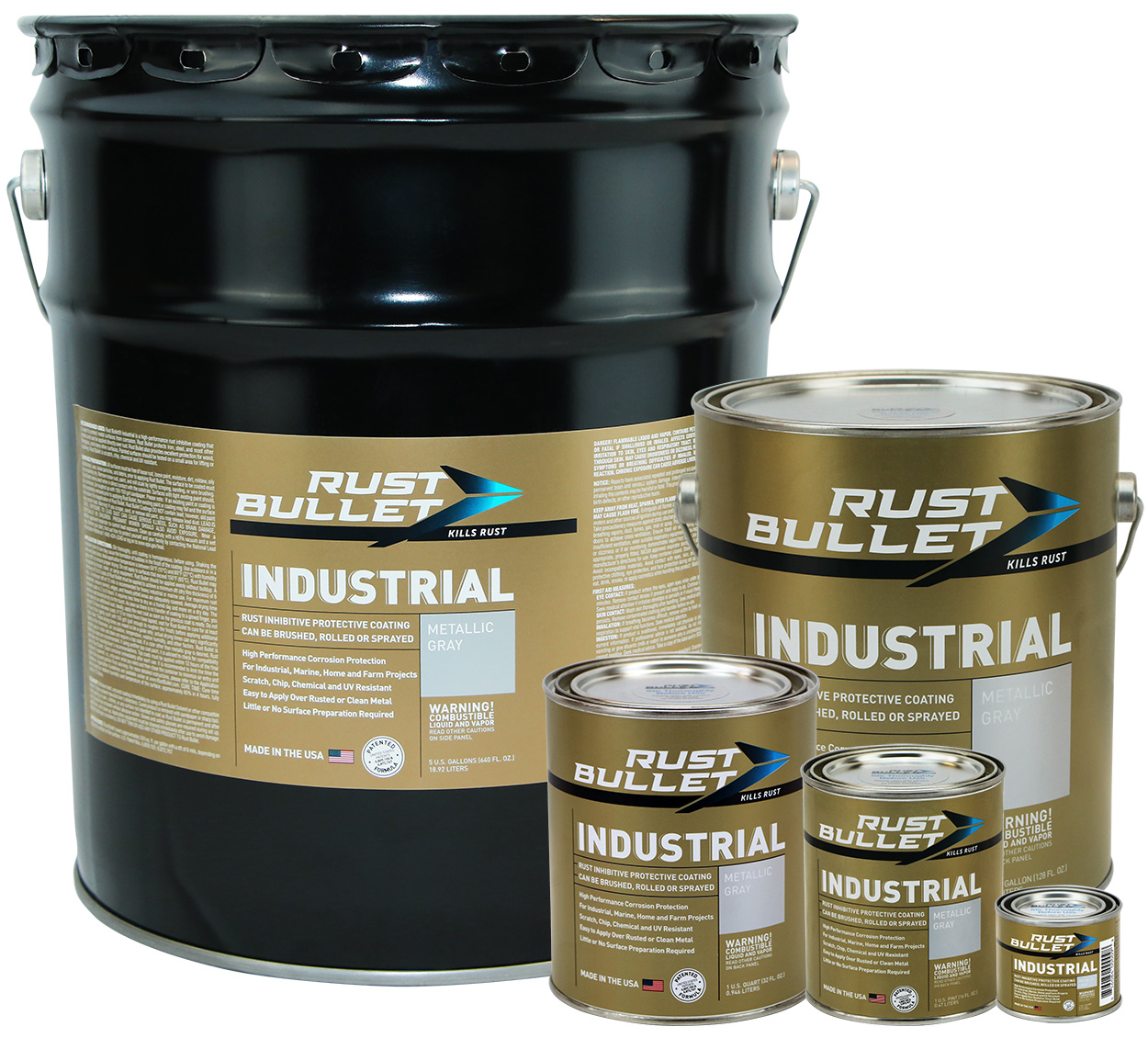
Rust Bullet Standard Formula (Gold Label) is appropriate for most industrial or commercial type projects. A minimum dry film thickness (dft) of 12 mils is recommended for most industrial and commercial applications.


Rust Bullet is available at quantity discount pricing in Pints, Quarts, Gallons, 5 Gallon Pails, and 55 Gallon Drums.


Back to Top


2. What is Dry Film Thickness (dft)?


Dry Film Thickness (dft) is the thickness of a coating when dry, expressed in mils. A mil is a measurement used to determine the thickness of a coating. One mil equals one thousandth of an inch. 1 mil = .001 inch (1/1000).

For comparison purposes, 4 mils is approximately the thickness of one sheet of standard paper. Many plastic trash bags have a thickness of about 1.0 mil although heavy duty (so-called "contractors") bags may be about 3.0 mils.


Back to Top


3. How do I know what the recommended dry film thickness (dft) is for my project?


The higher the mil measurement of Rust Bullet’s dry film thickness (dft), the greater the protection provided. Generally industrial or commercial type projects require a minimum dft of 12 mils; however, many variables should be considered when determining the desired dft for any project. Some of these variables to consider are:

The existing condition of the surface being coated
The surface’s exposure to:

Moisture
Harsh chemicals
Abrasive objects

The damaging effects the surface must endure from environmental conditions


Back to Top


4. Once I have determined the desired dry film thickness (dft) for my project, how do I ensure the finished project has sufficient mil coverage?


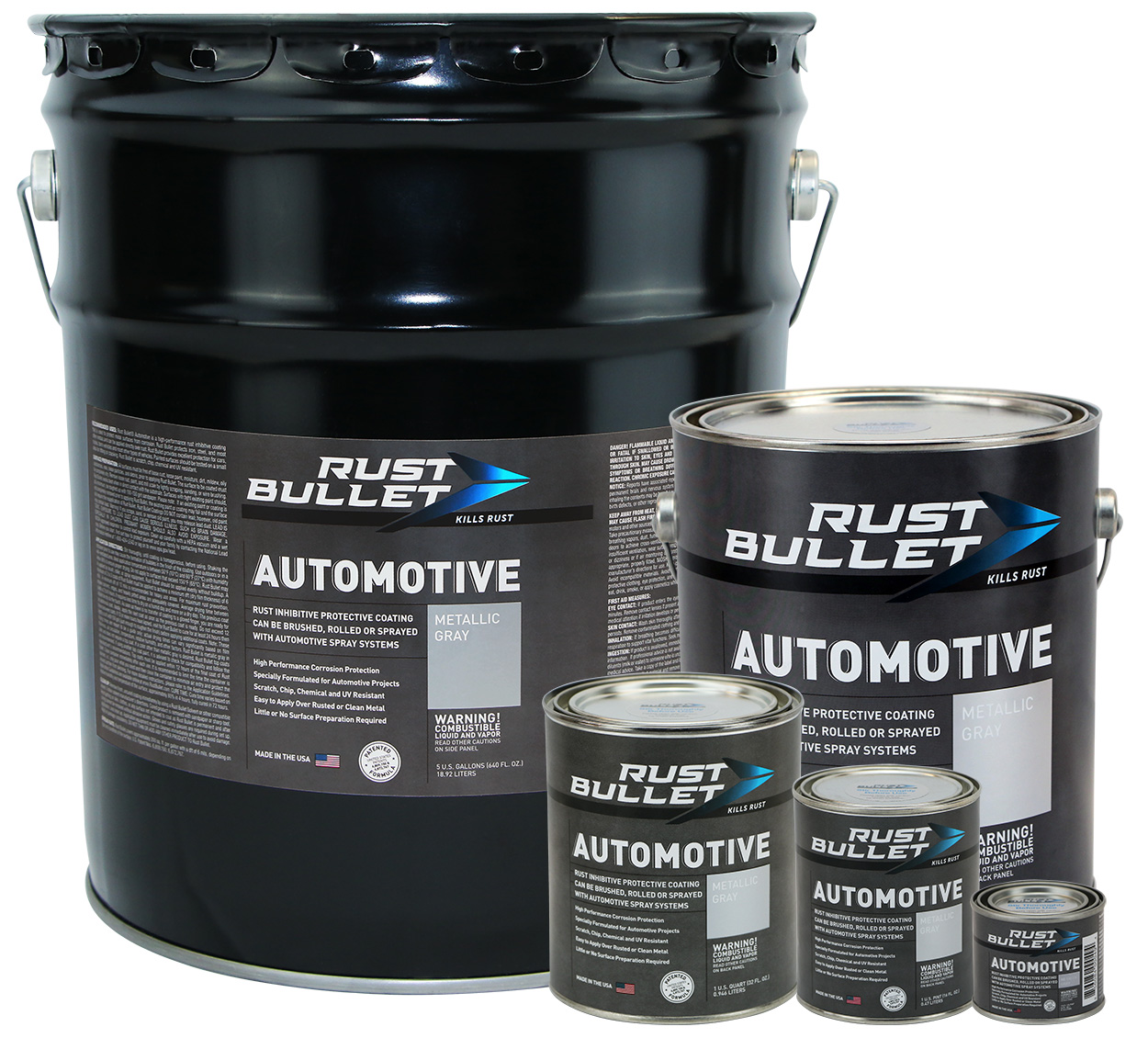
The most accurate way to measure dry film thickness is to use a mil gauge. It is critical that at least two coats of Rust Bullet be applied to achieve a dft of 6 mils. One coat of Rust Bullet Standard Formula (Gold Label) produces an approximate dry film thickness (dft) of 3 mils (0.003 inches or 0.076 millimeters). The first coat of Rust Bullet soaks through the rust down to the metal below, encapsulates the rust, and dehydrates it. The first coat must be applied generously enough over the rust for this process to take place. As the first coat dries and gases off, tiny pin holes form in the coating. The second coat will fill any pin holes and seal the surface. Apply additional coats to achieve the desired dft for the appropriate protection for your project. One gallon of Rust Bullet covers approximately 400 sq. ft. with a single coat with a dft of 3 mils, i.e. if the dry film thickness for a project is determined to be 12 mils; one gallon will cover approximately 100 sq. ft. The number of coats needed to achieve the appropriate dft will depend on the chosen method of application: brush, roller, HVLP Spray System, or Airless Spray System. For example, Rust Bullet® Automotive (Silver Label) is formulated a bit thinner than Rust Bullet® standard (Gold Label) to flow easily through an HVLP Spray System; therefore, additional coats may be required to achieve the desired dry film thickness.

A good rule to remember is: If you have 200 square feet to coat and your project requires a dry film thickness (dft) of12 mils, you will need to use a total of 2 gallons of Rust Bullet to achieve the 12 mils. In other words, if you use the entire contents of 2 gallons, you should have covered approximately 200 square feet with an approximate dft of 12 mils, regardless of how many coats you needed to apply.


Back to Top


5. Why must I stir Rust Bullet thoroughly before applying?


Rust Bullet uses only the finest raw materials available in the manufacturing of its coatings. Some of these ingredients may separate or settle at the bottom of the container. Rust Bullet must be stirred thoroughly before use (at least 3 minutes) to ensure the coating’s consistency is uniform and completely homogeneous.


Back to Top


6. Can an Electric Paddle or other Mechanical Device be used to stir Rust Bullet?


No. Never stir the product by mechanical means; this will trap air molecules containing moisture between the coating and the surface causing improper curing and possible coating failure. Mechanical Paint Shakers can be used, but the container must be allowed to sit for 24 hours after shaking, and then stirred prior to use to prevent bubbles in the finished coating.


Back to Top


7. How does Rust Bullet compare to an Epoxy Primer?


An Epoxy Primer is not an anti-corrosive coating and will not furnish the protection provided by Rust Bullet. Rust Bullet coating penetrates and dehydrates rust, trapping the rust in the coating’s resin matrix, then forms a rock hard, protective shield that defends the surface against corrosion and abrasion for many years.

If an epoxy finish is desired, and the existing surface is an epoxy finish, scrape off any loose rust and epoxy coating, rough-up the remaining tight epoxy with 100 grit sandpaper prior to applying Rust Bullet, then re-apply the epoxy coating over the final coat of Rust Bullet. Please note: For best results, the surface should be prepared down to bare metal. Rust Bullet works best when it is in direct contact with rusted or clean metal.


Back to Top


8. How does Rust Bullet compare to an Epoxy as a Bridge Coating?


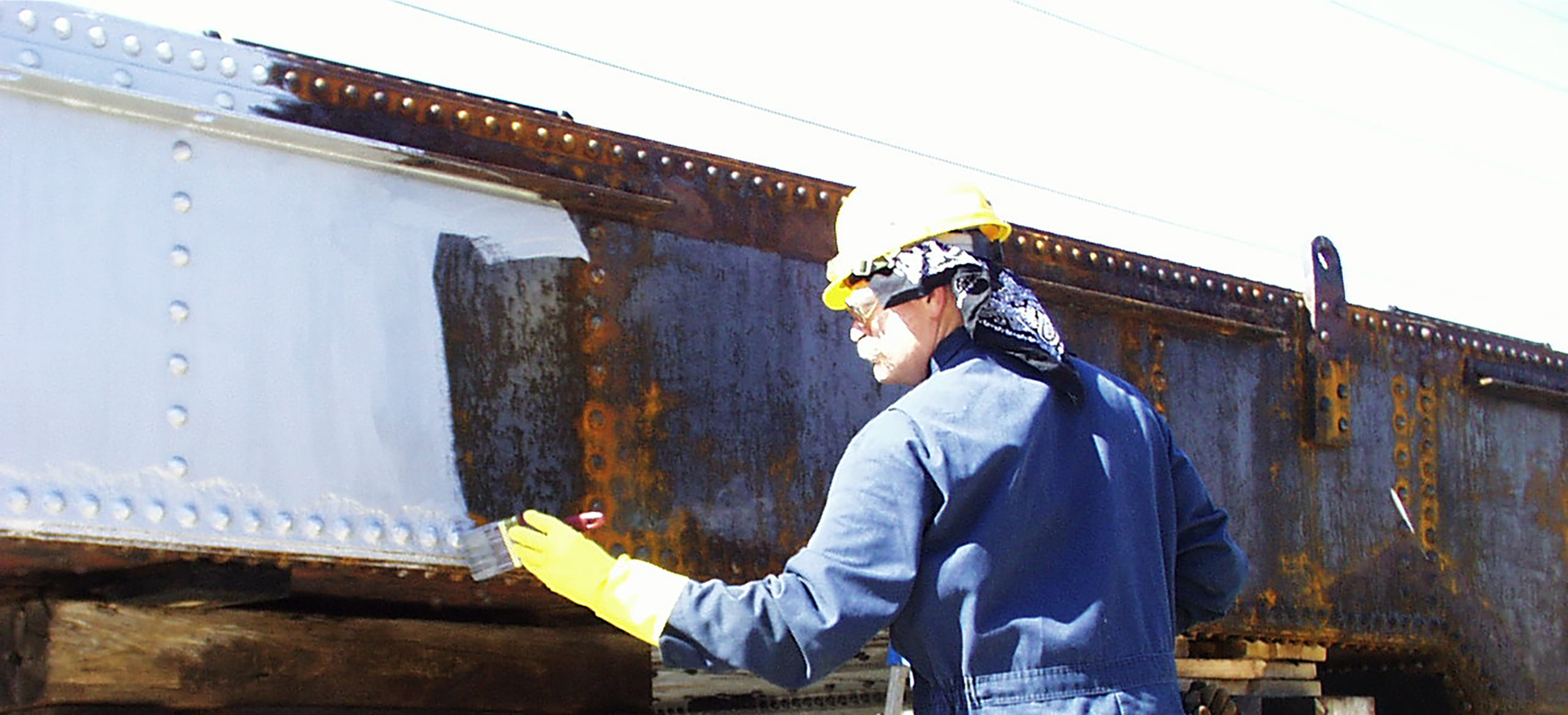
Rust Bullet provides excellent, long lasting, low maintenance protection for bridges and other transportation infrastructures. Rust Bullet is a high performance coating that has been awarded two (2) United States Patents for its two (2) unique technologies for rust and corrosion control. Generally Epoxy coatings are much thicker, plastic type coatings not intended to control corrosion. Epoxy coating applications are more complicated and labor intensive than Rust Bullet’s application. Other paints and coatings, including Epoxy coatings, require extensive preparation using a variety of techniques such as, sand blasting and collecting, needling, heavy scraping and chemical treating. Added to the high cost for these preparation procedures, costs for the containment and disposal of the waste created by these extensive preparation procedures, in order to comply with EPA (Environmental Protection Agency) requirements, often make these costs far greater than the initial cost of the product. None of these extensive preparation procedures are needed for Rust Bullet, consequently saving down time, labor, and cost. An Epoxy topcoat can be applied if desired.


Back to Top


9. Will Rust Bullet protect my Galvanized Metal Roof?


Yes. Rust Bullet is the ideal coating for protecting your galvanized metal buildings and roofs. It not only provides protection from rust and corrosion, but will actually make your metal roof stronger and more weather resistant. Rust Bullet applies easily and quickly with the use of an airless spray system. Costly roof and building replacements can be avoided by simply applying Rust Bullet.


Back to Top


10. What is the recommended application method for Galvanized Corrugated Roofs?


The recommended application method for Rust Bullet on Galvanized Corrugated Roof projects is an airless spray system with a 517 to 523 tip at approximately 3000 PSI. Two or more coats should be applied depending on the desired dft (dry film thickness); each coat of Rust Bullet will add strength and durability, drastically increasing the life of the roof. Please refer to our Application Guidelines for detailed instructions on airless spray systems.


Back to Top


11. Will Rust Bullet protect Concrete?


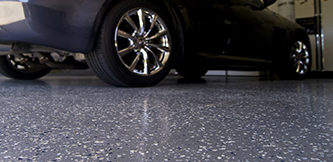
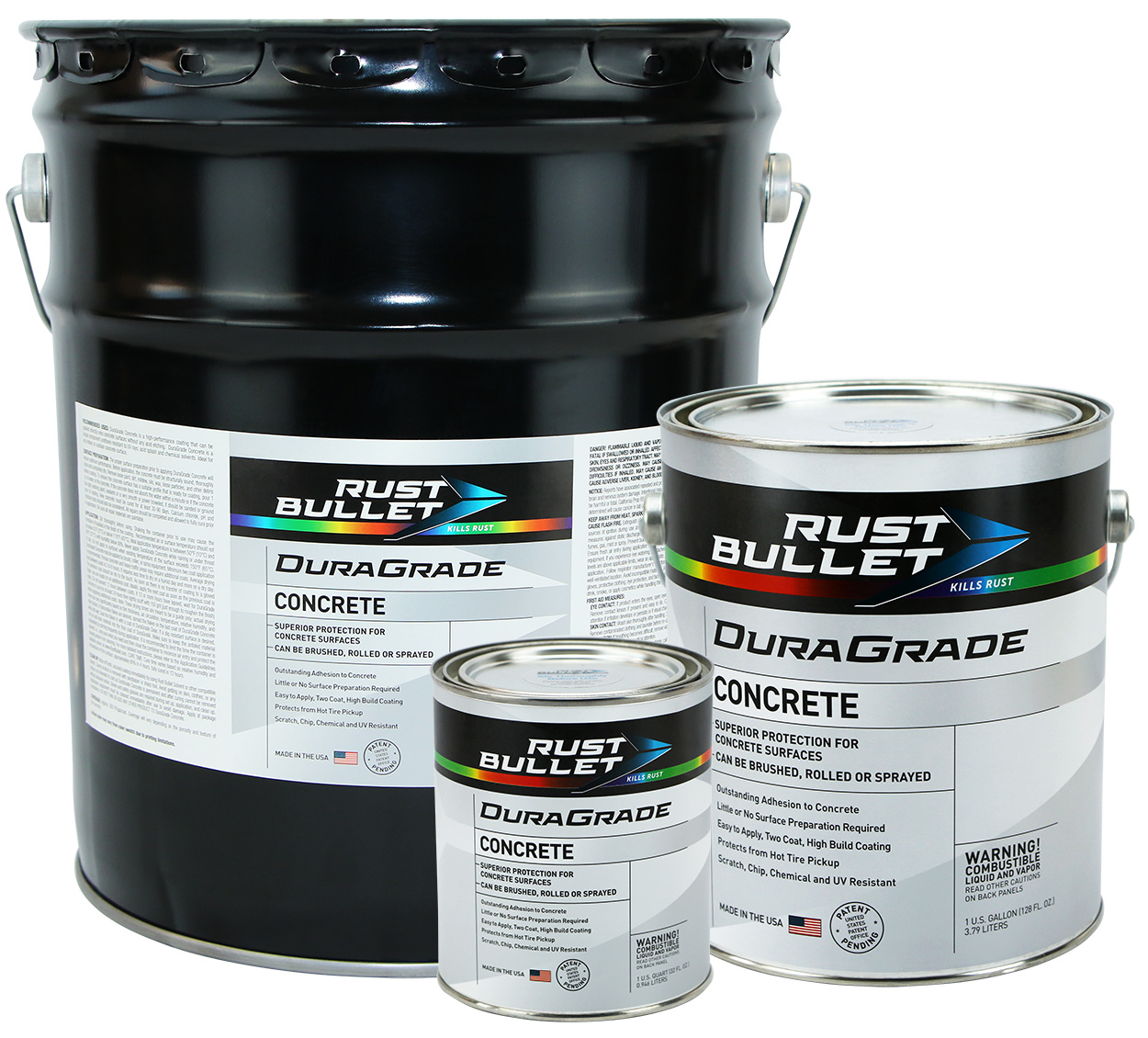
Yes. Rust Bullet, with its Superior Patented Technology for rust and corrosion control provides outstanding protection to many surfaces, including concrete. Rust Bullet not only improves the appearance of concrete, it provides an impervious shield allowing easy clean up of oil, grease, and chemical spills along with strong protection against impact and abrasives. Concrete has been a reliable and versatile product for centuries. Chosen for its strength and durability, concrete is expected to withstand the most abusive conditions. It is subjected to the destructive effects from harsh chemical spills, abrasive objects, moisture, and the impact from heavy tools and machinery often resulting in an unsightly appearance and damage requiring costly repairs or replacement.

Rust Bullet protective coating will:
Provide excellent chemical resistance
Provide protection from abrasives
Seal a surface from moisture
Allow easy clean up of spills
Prevent concrete from sweating
Reduce dust
Fill cracks, gaps, and chips up to ¼ of an inch
Enhance appearance
Add years of life to concrete surfaces

Power wash or simply rinse off dirt and debris and let the surface dry completely before applying Rust Bullet. Two to three coats of Rust Bullet is usually sufficient for most concrete applications depending on the concrete’s condition and existing damage. Porous concrete and heavy traffic areas may require additional coats. Rust Bullet is self leveling and can fill in cracks, gaps, and chips up to ¼ inch. If a slip resistant surface is desired, sprinkle silica or similar fine sand over a tacky coat of Rust Bullet, allow just enough time for the sand to adhere, and then apply the final coat of Rust Bullet.


Back to Top


12. Can Rust Bullet be used for Wrought Iron Fencing, Furniture, and Fixtures?


Yes. Rust Bullet Standard Formula (Gold Label) will provide superior protection from corrosion and abrasives to wrought iron fencing, furniture, and fixtures, adding years of life to the integrity of the steel. Prior to applying Rust Bullet, simply wire brush the rusted areas to remove loose or flaking rust; wash off any dirt and dust or oil film and let the surface dry completely. The best methods of application for wrought iron are a Close Nap Roller or an Airless Spray System; paint brush application will also work. Less expensive sprayers can be purchased for home use. Prior to using spray equipment, be sure to run Xylene or Toluene through the equipment to remove any moisture in the line and connecting equipment. Please see our Application Information and Guidelines for more detailed information on spray application.


If black is the desired finished color for the wrought iron, use Rust Bullet® BlackShell® as a topcoat. BlackShell is formulated with specialized resins and anticorrosive agents and can be used as a stand alone anticorrosive coating that will protect iron and steel. Although BlackShell will easily out-perform other protective coatings, it will not produce the level of corrosion protection of the patented Rust Bullet standard or Rust Bullet Automotive formulas for fighting rust and corrosion. For a black finish with the absolute best rust and corrosion protection, apply BlackShell over Rust Bullet® standard or Rust Bullet® Automotive.


Back to Top


13. Is Rust Bullet recommended for use on a Chain-Link Fence?


Yes. Rust Bullet Standard Formula (Gold Label) will provide superior protection from corrosion and abrasives to chain-link fencing adding years of life to the integrity of the steel.

Chain-Link, known for its strength and durability, is perhaps the most economical type of fencing available. Commercial chain-link fence systems have been preferred for decades to define property lines and enclose government and business facilities, adding protection, security, and value to commercial property. Fence manufacturers make products for many different uses including lightweight, temporary needs. The application of Inferior coatings may allow the components to rust prematurely. The result is a permanent installation made from materials that weren't designed for longevity. The protective coating will fail much sooner than loss of steel integrity. Many manufacturers offer warranties that apply only to the loss of structural integrity of the steel, meaning the product has rusted to the point that the strength of the steel is no longer there.

Prior to applying Rust Bullet, simply wire brush the rusted areas to remove loose or flaking rust; wash off dirt and dust and let fence dry completely. Rust Bullet Metal Blast can also be used to dissolve rust and properly etch the metal prior to the application of Rust Bullet. Always allow the surface to completely dry before applying Rust Bullet. The best tool for application to the chain mesh is a long-nap paint roller with a 1 1/2-inch nap; the longer the nap the better because the roller's fibers will reach through and around the fence material. Ideally both sides of the fence can be coated at the same time with the assistance of a coworker. A brush should be used on the fence rails, posts, hardware, and horizontal supports. If an airless spray system is used a 517 tip size is recommended. It is important that the area behind the fence be protected from overspray.


Back to Top


14. Will Rust Bullet protect metal and concrete from Magnesium Chloride?


Yes. Rust Bullet will perform well to protect metal and concrete from direct contact with magnesium chloride. Magnesium chloride is used as a de-icer or anti-icer on road surfaces in many states. Magnesium chloride is available in dry or liquid form; either form is very effective in melting ice. It has been confirmed that magnesium chloride will cause significant damage to concrete and metal. Magnesium chloride is very corrosive and will stick to any surface when dry and react with moisture or water to corrode metal and concrete. It will affect concrete in two ways, either by a slow rate or a fast attack depending on the concentration and the conditions and circumstances. A very high concentration of magnesium chloride on a frequent basis will reduce the protective properties of any corrosion control coating, including Rust Bullet. Rust Bullet with its armor tuff coating will last longer and provide better protection than any other product available. A dry film thickness (dft) of 12 -15 mils will provide much greater protection to the surface than applying a dft of only 6 - 8 mils.


Back to Top


15. Is Rust Bullet an appropriate coating for use on an Air Duct?


Yes. Rust Bullet will provide excellent protection for an Air Duct System. We recommend not running air through the system for at least 72 hours after the final coat of Rust Bullet has been applied. Rust Bullet will encapsulate the rusted areas adding strength to the coated surfaces.


Back to Top


16. Can Rust Bullet be used on the inside of Gasoline Tanks?


Rust Bullet is not affected by gas itself. Rust Bullet seals surfaces completely, but was not designed as a tank sealer on the inside of small tanks. We have not tested for this application and can offer no promise as to what the outcome will be if used as such. Rust Bullet can be used on the exterior, but it was not designed for internal use on a gas tank.


Back to Top


17. Does Rust Bullet contain Lead or Chromates?


No. Rust Bullet Products contain No Lead, No Zinc, No Chromates, No Acids, and No Heavy Metals. Our Products comply with Volatile Organic Compound (VOC) limits regulated by The Environmental Protection Agency and the more stringent regulations of the State of California.


Back to Top


18. Will Fertilizer and Lime effect Rust Bullet?


When properly applied, Rust Bullet will hold up extremely well to fertilizer and lime. For best results apply thin even coats of Rust Bullet to achieve a minimum dry film thickness (dft) of 12 mils.


Back to Top


19. What are the effects of Fuels on a cured Rust Bullet Coating?


Fossil fuels, such as refined oils (gasoline, diesel, jet fuels, and kerosene) will not affect the integrity of the cured Rust Bullet Coating. Additionally, renewable fuels such as Biodiesel and Ethanol will have no adverse affect on substrates coated with Rust Bullet Products.


Back to Top


20. Can a surface coated with Rust Bullet be Welded?


To ensure the welded metals are properly bonded, the Rust Bullet coating should be removed to expose the bare metal. It is possible to join two Rust Bullet coated metals by welding without removing Rust Bullet; the metal will join together but may not achieve the strong bond expected by the welding process. If metal coated with Rust Bullet, or another coating, is welded without removing the existing coating, the extreme heat involved in the welding process will disintegrate the coating possibly releasing harmful gases; therefore, the appropriate safety precautions, such as wearing a gas mask and safety goggles, must be followed. After welding, Rust Bullet must be reapplied over the welded area to ensure complete protection of the entire surface.


Back to Top


21. Is Rust Bullet compatible with Cadmium?


Rust Bullet is compatible with Cadmium. Cadmium is mostly used in the electroplating of metal and steel. It is used as a form of corrosion protection. Before applying Rust Bullet on electroplated surfaces, the surface must be clean and free of grease and wax. We recommend cleaning and etching the electroplated surface with Rust Bullet Metal Blast to ensure proper adhesion.


Back to Top


22. Can Rust Bullet be used on Concrete or Steel Swimming Pools?


Rust Bullet will provide outstanding protection to a concrete or steel swimming pool. Apply Rust Bullet to a clean dry surface. There will not be any bleed through with the use of Rust Bullet and the surface will be sealed, protected and ready for the application of a new pool coating. We suggest using specialized spray-on pool liner paint after applying a dft of 12 mils of Rust Bullet. Rust Bullet will provide excellent protection to the concrete or steel and the pool liner paint will give the pool that natural blue color as well as stop any water penetration.

IMPORTANT: Extra care should be given to make sure that the entire metal surface is completely coated with Rust Bullet. If even a small area of the metal does not get sealed with Rust Bullet’s protective coating, that area will be left unprotected and will continue to rust and possibly produce rust staining on other areas. On a project such as a large swimming pool, a touch up to seal an area that was inadequately covered during the initial application would likely require completely draining the water and thoroughly drying the pool’s surface prior to a touch up or reapplication of Rust Bullet.

Remember, Rust Bullet can only protect the surface that is coated. As with any coating project, both sides of the metal must be properly coated with Rust Bullet to completely eliminate further corrosion.


Back to Top


23. What if my project requires a faster recoat time? Is it possible to decrease the drying time between coats?


Yes. Rust Bullet® Rapid Fire Accelerator was designed to be added to the Rust Bullet Standard or Rust Bullet Automotive formulas to decrease the normal recoat time of 2 to 4 hrs to approximately 30 to 40 minutes per coat, and to Rust Bullet BlackShell to decrease the normal recoat time of 6 to 10 hours to approximately 1 to 2 hours. Rapid Fire makes it possible to apply multiple coats of Rust Bullet in a single day and reduces project completion time by as much as 80%. A Rust Bullet coating accelerated with Rapid Fire can be applied with either an HVLP Spray System or an Airless Spray System.

IMPORTANT: Rust Bullet Rapid Fire Accelerator is designed for spray applications. Rapid Fire is added to the Rust Bullet coating at the job site; it cannot be added until you are ready for application. As soon as Rapid Fire has been added, the curing process begins. Pot time is approximately 6 hours. Only mix Rapid Fire Accelerator into the quantity of Rust Bullet that will be used within a 6 hour period.


Back to Top


24. Can Rust Bullet be Top Coated?


Yes. Rust Bullet is metallic gray in color, UV resistant and requires no topcoat. If a finished color other than metallic gray is desired, Rust Bullet can be top coated between 24 to 48 hours after the final coat has been applied with no additional preparation. Rust Bullet is compatible with most conventional top coat paints. Rust Bullet BlackShell is formulated specifically as the optimum topcoat for both Rust Bullet formulas if a smooth glossy black finish is desired. BlackShell is scratch and chip resistant, UV resistant, as well as, resistant to Acid Splash and Chemical Solvents. BlackShell is an excellent protective stand alone coating, requiring no basecoat or topcoat. BlackShell will easily outperform other protective coatings; however, the unbeatable combination of BlackShell over Rust Bullet or Rust Bullet Automotive will provide the absolute best protection against rust and corrosion available today.


Back to Top


25. When can I apply a Topcoat if I have coated my project with a Rust Bullet coating that has been accelerated with Rust Bullet Rapid Fire?


Wait approximately 1 hour before applying a topcoat over the final coat of Rust Bullet Standard or Rust Bullet Automotive that has been accelerated with Rapid Fire. The previous coat should be tack free.

IMPORTANT: A Rust Bullet coating that has not been accelerated by adding Rapid Fire can be top coated between 24 and 48 hours after the application of the final coat of Rust Bullet with no additional preparation.


Back to Top


26. Will I have problems with the application of Rust Bullet if I am located in an area with High Humidity?


If humidity is too high (80% +), it will adversely affect the curing and adhesion process. A couple of things can be done to minimize the adverse affects of high humidity, if necessary:

For the best possible adhesion in high humidity areas, etch the metal surface with Rust Bullet Metal Blast prior to applying Rust Bullet.

Provide air circulation or an air flow that vents the air away from the coated surface.

Apply Rust Bullet by brush. A brush application tends to trap less air and moisture and is therefore the best application method in a high humidity zone. Apply additional, thinner coats rather than fewer, thicker coats. This will help eliminate the formation of bubbles or blisters on the coating surface which can occur if the co2 and solvents cannot be expelled. The formation of humidity bubbles or blisters can result in poor adhesion, which in turn, may need re-sanding and a touch up.


Back to Top


27. Can Rust Bullet be used instead of Standard Military Paint?


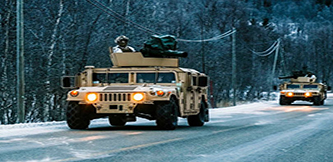
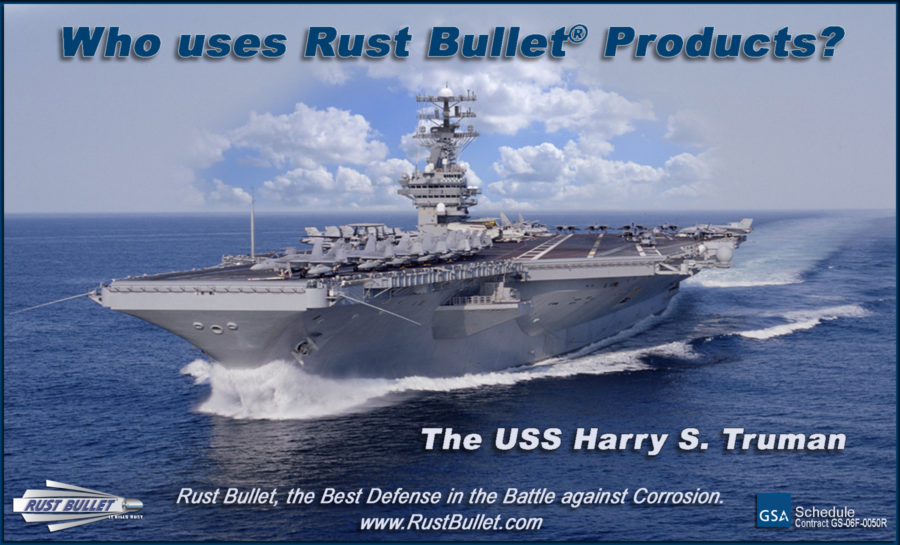
Rust Bullet is currently used by many divisions of the United States Military. Rust Bullet has strong resistance to chemicals and abrasives in addition to its superior patented technologies for controlling rust and corrosion. Rust Bullet more than qualifies as a replacement to the CARC paint system and is a lot easier and safer to handle. Rust Bullet can be easily top coated with the U.S. Army’s standard army green paint. Rust Bullet has been awarded a Schedule Contract with the General Services Administration (GSA), one of the world's largest suppliers of quality products to government buyers. Due to the versatility of Rust Bullet, the GSA initially listed Rust Bullet under, not one, but four Special Item Numbers (SIN). A SIN is a category for the functionality of a product. Additionally Rust Bullet’s versatility was recognized by GSA with a Multiple Schedule Award Contract.


Rust Bullet can be obtained by United States Government Customers directly from Rust Bullet, LLC (now listed as a GSA Schedule Contractor), or through the GSA Advantage!® Online Shopping and Ordering System using the URL: www.gsaadvantage.gov. To purchase Rust Bullet through GSA Advantage!® enter Rust Bullet in the search feature of the GSA Advantage!® Catalog.

Rust Bullet GSA Contract Number: GS-06F-0050R

GSA Schedule Number: 51V

Rust Bullet Cage Code: 3E9H7

Special Item Number (SIN): 834-100

Some of the United States Government Military and Non Military Agencies currently using Rust Bullet:

Federal Aviation Administration, (FAA)

United States Department of Transportation, (DOT)

United States Army

United States Navy (USN)

United States Air Force (USAF) - Spacelift Range Systems Contract (SLRSC)

United States Marine Corps (USMC)

United States Naval Undersea Warfare Centers (NUWC)

United States Coast Guard (USCG)

The National Radio Astronomy Observatory’s Very Large Array (VLA), one of the world’s premier astronomical radio observatories


Back to Top


28. Can Rust Bullet® BlackShell® provide protection for Industrial and Commercial Projects?


Yes. Rust Bullet BlackShell is scratch and chip resistant, UV resistant, as well as, resistant to Acid Splash and Chemical Solvents. BlackShell is an excellent protective stand alone coating, requiring no basecoat or topcoat. BlackShell can be used on bare steel and will provide very good rust and corrosion protection. BlackShell is formulated with specialized resins and anticorrosive agents and can be used as a stand alone anticorrosive coating that will protect iron and steel. Although BlackShell will easily out-perform other coatings on bare steel it will not produce the level of protection of the patented Rust Bullet standard or Rust Bullet Automotive formulas for fighting rust and corrosion. For the absolute best rust and corrosion protection available, apply BlackShell over Rust Bullet® standard or Rust Bullet® Automotive.


IMPORTANT POINTS TO REMEMBER WHEN USING RUST BULLET PRODUCTS


Never allow sweat, rain, mist or other contaminates to fall into a Rust Bullet coating. Even
a drop or two can drastically affect results.


Rust Bullet coatings are ready to use right from the can. Rust Bullet coatings should be stirred thoroughly for at least 3 minutes or until completely uniform and homogenous (avoid whipping air into product). Shaking the container prior to application may cause the formation of bubbles in the finish of the coating. Never stir the product by mechanical means; this will trap air molecules containing moisture between the coating and the surface causing improper curing and possible coating failure. Pour out of the can what you intend to use in the next 45-60 min. Remember to keep the lid on the remaining product.


Never allow lacquer thinner, vinyl thinner, epoxy solvent, or any alcohol or unapproved solvent to enter a Rust Bullet coating.


For clean-up use only clean Xylene, Toluene, or MEK.


Never neglect to purge all paints, moisture, or debris from equipment before spraying a Rust Bullet coating.


Never apply a Rust Bullet coating while raining or under threat of rain.


Rust Bullet coatings do not require a topcoat. If one is desired, wait 24 to 48 hours after the application of the final coat of Rust Bullet.


Only pour out what you intend to use in one hour and replace the lid immediately. Wipe clean any coating from the rim of the container before resealing.


Never pour back into the original container; any Rust Bullet coating that has been exposed to outside air for any length of time, as this will destroy the remaining product.


Care should be taken to ensure that new unopened containers or left-over partial containers are kept sealed. Heavy Duty Plastic Wrap can be placed over the top of the remaining coating with the excess plastic exceeding beyond the rim of the container. This will displace as much air as possible from the remaining coating and will help prevent the lid from permanently sealing closed.


Please contact our Customer Service Department at 800-245-1600
or info@rustbullet.com with questions, concerns or comments.


Rust Bullet, LLC
300 Brinkby Avenue, Suite 200
Reno, NV 89509
USA
www.RustBullet.com


Rust Remover


McAfee Secure sites help keep you safe from identity theft, credit card fraud, spyware, spam, viruses and online scams
Rust Bullet, LLC ©2002 - 2009 All rights reserved.